The savings generated from these shared projects can be substantial. With collective purchasing power, participants frequently enjoy lower energy rates and reduced maintenance costs. Additionally, community solar can serve as an entry point for those unable to install panels on their property, such as renters or homeowners in shaded areas. Ultimately, this model promotes a more inclusive transition to solar energy, making it a viable option for a diverse range of households.
Impact on Energy Bills
What government incentives are available for solar energy in 2024?
In 2024, there are various government incentives available, including tax credits, rebates, and grants aimed at encouraging the adoption of solar energy. These incentives can significantly reduce the upfront costs of solar installations.
How do solar loans work?
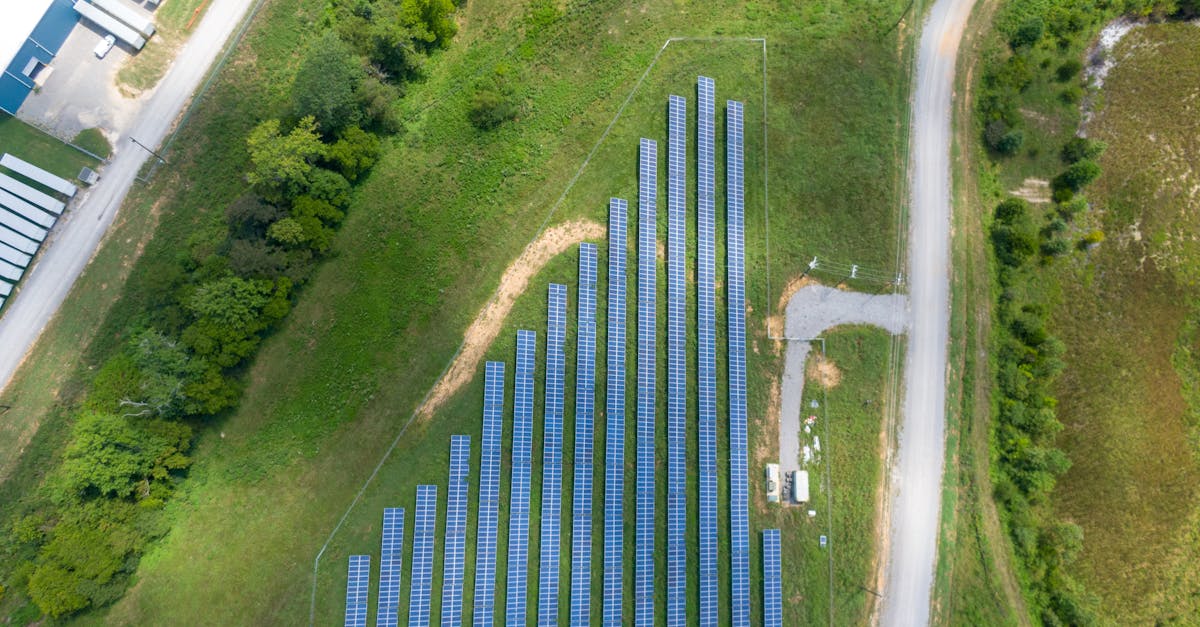
What is community solar and how does it work?
Community solar initiatives enable groups of individuals or businesses to jointly invest in a solar power project. Participants receive credits on their electricity bills based on the amount of energy produced, making solar accessible without the need for individual installations.
Will solar incentives reduce my energy bills?
Yes, government incentives can lead to lower energy bills by offsetting the costs of solar installations, which in turn allows homeowners to benefit from reduced energy costs over time, especially as electricity rates continue to rise.
Can I still benefit from solar incentives if I lease my solar system?
Yes, leasing a solar system can still provide benefits, although the incentives may differ slightly compared to ownership. Leased systems often come with lower monthly payments and potential long-term savings on energy bills, but you may not be eligible for certain tax credits available to system owners.
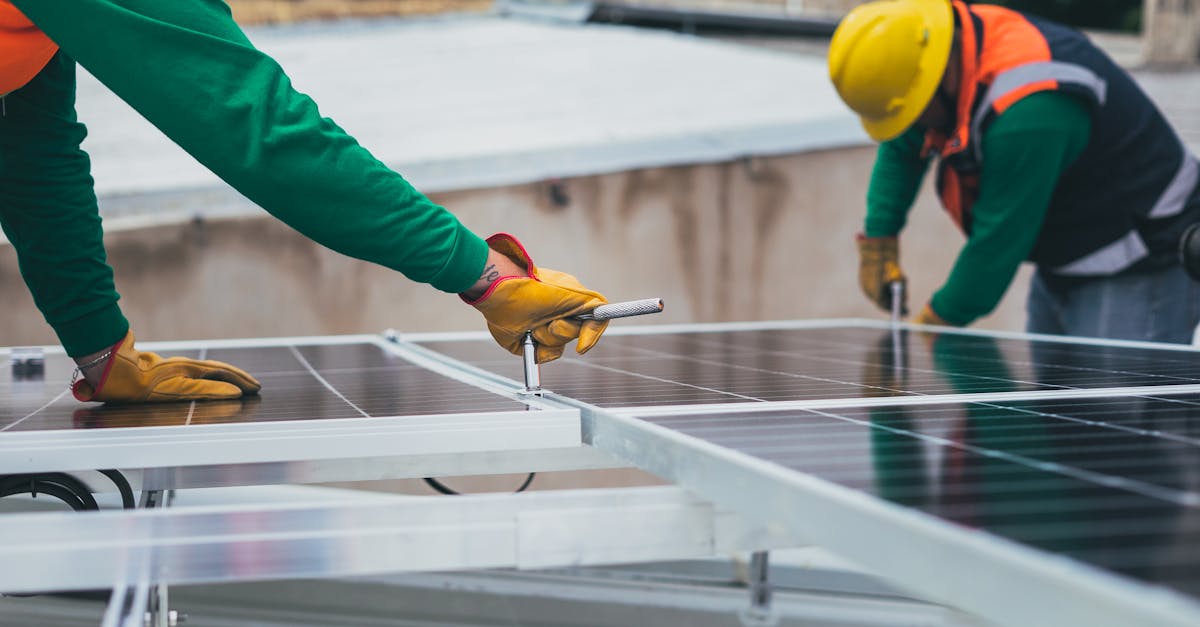
 Why Safety Measures are Crucial during Solar Panel Installation
Why Regular Maintenance is Essential for Solar Panels
What to Consider for Effective Solar Panel Maintenance
Related Links
A Review of the Best Solar Panel Brands in 2024
7 Key Benefits of Solar Energy You Should Know

Roundup of the Most Frequently Asked Questions about Solar Panel InstallationThe Historical Development of Solar Energy Technology
What are the Economic Advantages of Switching to Solar Energy
Review of the Best Solar Panel Installation Tools
The History of Solar Panel Technology
What to Know Before Installing Solar Panels
How to Safely Install Solar Panels on Your Roof
How to Conduct a Site Assessment for Solar Panel Installation

10 Best Practices for Maintaining Solar Panels
What to Do Before Installing Solar Panels
Why Safety Measures are Crucial During Solar Panel Installation
7 Key Benefits of Solar Energy You Should Know
Why Regular Maintenance is Essential for Solar Panels
 Historical Development of Solar Panel Installation Techniques
Roundup of Government Incentives for Solar Energy in 2024
A Review of the Best Solar Panel Brands in 2024
Why Regular Maintenance is Essential for Solar PanelsWhy You Should Invest in Regular Maintenance for Solar Panels
Why Proper Site Assessment is Crucial for Solar Panel Installation How to Conduct a Site Assessment for Solar Panel Installation
The Historical Development of Solar Energy Technology
What are the Economic Advantages of Switching to Solar Energy
What are the long-term benefits of solar energy
Why Solar Energy is Key to Job Creation
How to Choose the Right Solar Panel for Your Home
Why choose solar energy for your home
What are the Environmental Benefits of Solar Energy

What to Consider for Effective Solar Panel MaintenanceHow to Reduce Your Carbon Footprint with Solar Panels
Roundup of top solar energy companies in the UK Why is job creation important in the solar industry
What are the environmental impacts of solar energy
How to choose the right solar panel for your needs
How to maximise the economic benefits of solar energy

The history of bifacial solar panels

Roundup of Common Solar Panel Troubleshooting TipsWhy choose bifacial solar panels over traditional types
Why are bifacial solar panels becoming popular



































































































Also on this site: notes index.